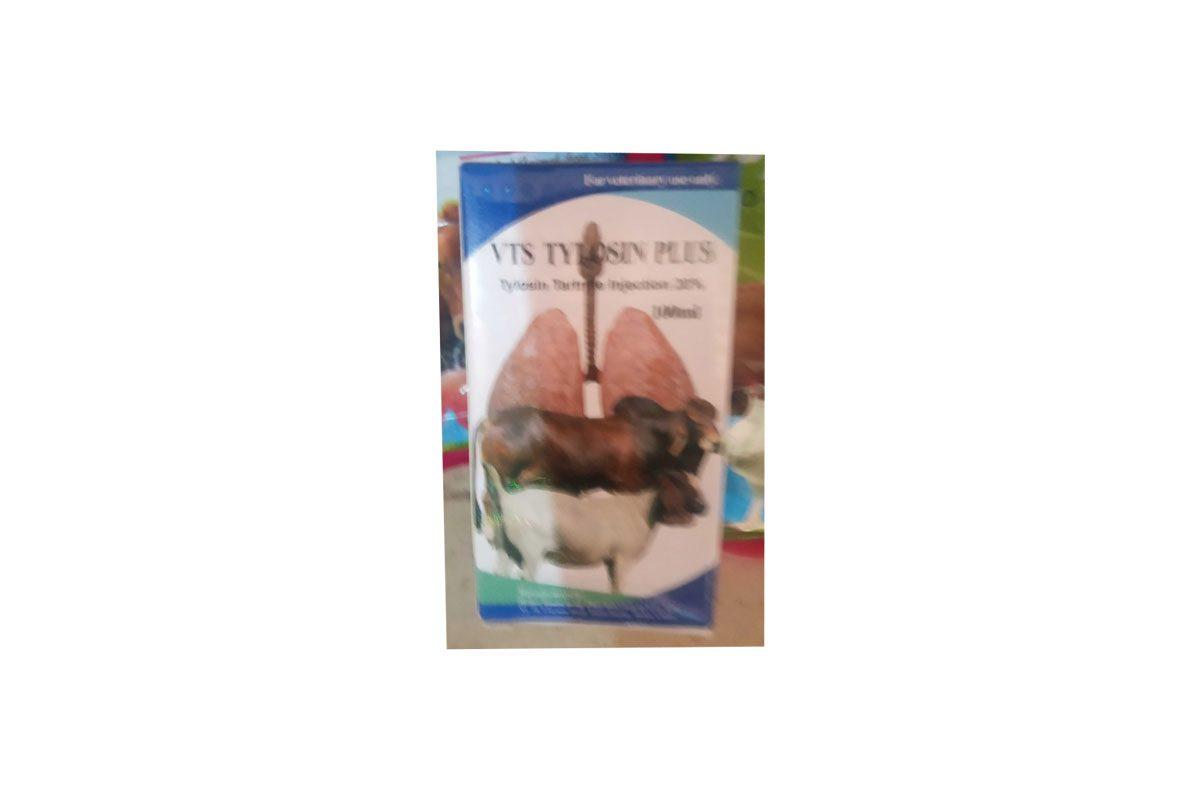
Debbams Tylo D (Antibiotics | 50g | 100g)
V-TMX9F · No reviews yet
We offer Debbams Tylo D which is a veterinary product suitable for the prevention and treatment of infections caused by tylosin-sensitive pathogenic microorganisms.
- Read on to discover more information about this amazing product.
- We deliver nationwide and deliveries are within seven (7) days.
- Feel free to reach out to us if you have any questions.
Place your orders now!
1599
UNCATEGORIZED
UNCATEGORIZED
₦ 500
Product description
Debbams Tylo D
Debbams Tylo D is suitable for prevention and treatment of infections caused by tylosin-sensitive pathogenic microorganisms, mycoplasmosis, chronic respiratory disease, and infectious synovitis in chickens and turkeys; infectious sinusitis in turkeys; spirochetosis (borreliosis) in chickens; dysentery in pigs; for prevention of liver abscesses caused by Spherophorus necrophorus and Corynebacterium pyogenes) in cattle.
- Each product is packaged in 50g and 100g sachets.
- Ensure you place orders today and make purchases.
Indications for using Debbams Tylo D
Poultry:
- To treat Avian spirochetosis.
- Turkey: Sinusitis.
- To treat infectious coryza.
Calves/Lambs:
- Pneumonia.
- Footrot.
- Respiratory tract infections.
Product composition
Per mg powder contains:
- Tylosin tartrate
Advantages
It is very effective for:
- Infectious coryza
- Avian Spirochetosis
- Pneumonia.
- Footrot.
- Respiratory tract infections.
Notice to farmers!
- Livestock farmers handling drugs must be cautious about the drugs and commit to the judicious management, use, and administration of antimicrobials.
- In addition to this, farmers should promote routine health programs that prevent disease. This will save the farmers the stress and money involved in purchasing medicaments.
- The farm management systems, biosecurity, vaccination programs, nutrition, and hygiene should be strengthened.
- You should make a selection of antibiotics after proper consultation at a diagnostic laboratory or a veterinarian.
- The withdrawal periods of each drug should be strictly followed.
Highlights
Shipping
Local pick-up2 – 4 days
Office pick-up3 days
Product description
Debbams Tylo D
Debbams Tylo D is suitable for prevention and treatment of infections caused by tylosin-sensitive pathogenic microorganisms, mycoplasmosis, chronic respiratory disease, and infectious synovitis in chickens and turkeys; infectious sinusitis in turkeys; spirochetosis (borreliosis) in chickens; dysentery in pigs; for prevention of liver abscesses caused by Spherophorus necrophorus and Corynebacterium pyogenes) in cattle.
- Each product is packaged in 50g and 100g sachets.
- Ensure you place orders today and make purchases.
Indications for using Debbams Tylo D
Poultry:
- To treat Avian spirochetosis.
- Turkey: Sinusitis.
- To treat infectious coryza.
Calves/Lambs:
- Pneumonia.
- Footrot.
- Respiratory tract infections.
Product composition
Per mg powder contains:
- Tylosin tartrate
Advantages
It is very effective for:
- Infectious coryza
- Avian Spirochetosis
- Pneumonia.
- Footrot.
- Respiratory tract infections.
Notice to farmers!
- Livestock farmers handling drugs must be cautious about the drugs and commit to the judicious management, use, and administration of antimicrobials.
- In addition to this, farmers should promote routine health programs that prevent disease. This will save the farmers the stress and money involved in purchasing medicaments.
- The farm management systems, biosecurity, vaccination programs, nutrition, and hygiene should be strengthened.
- You should make a selection of antibiotics after proper consultation at a diagnostic laboratory or a veterinarian.
- The withdrawal periods of each drug should be strictly followed.
Highlights
Shipping
Local pick-up2 – 4 days
Office pick-up3 days