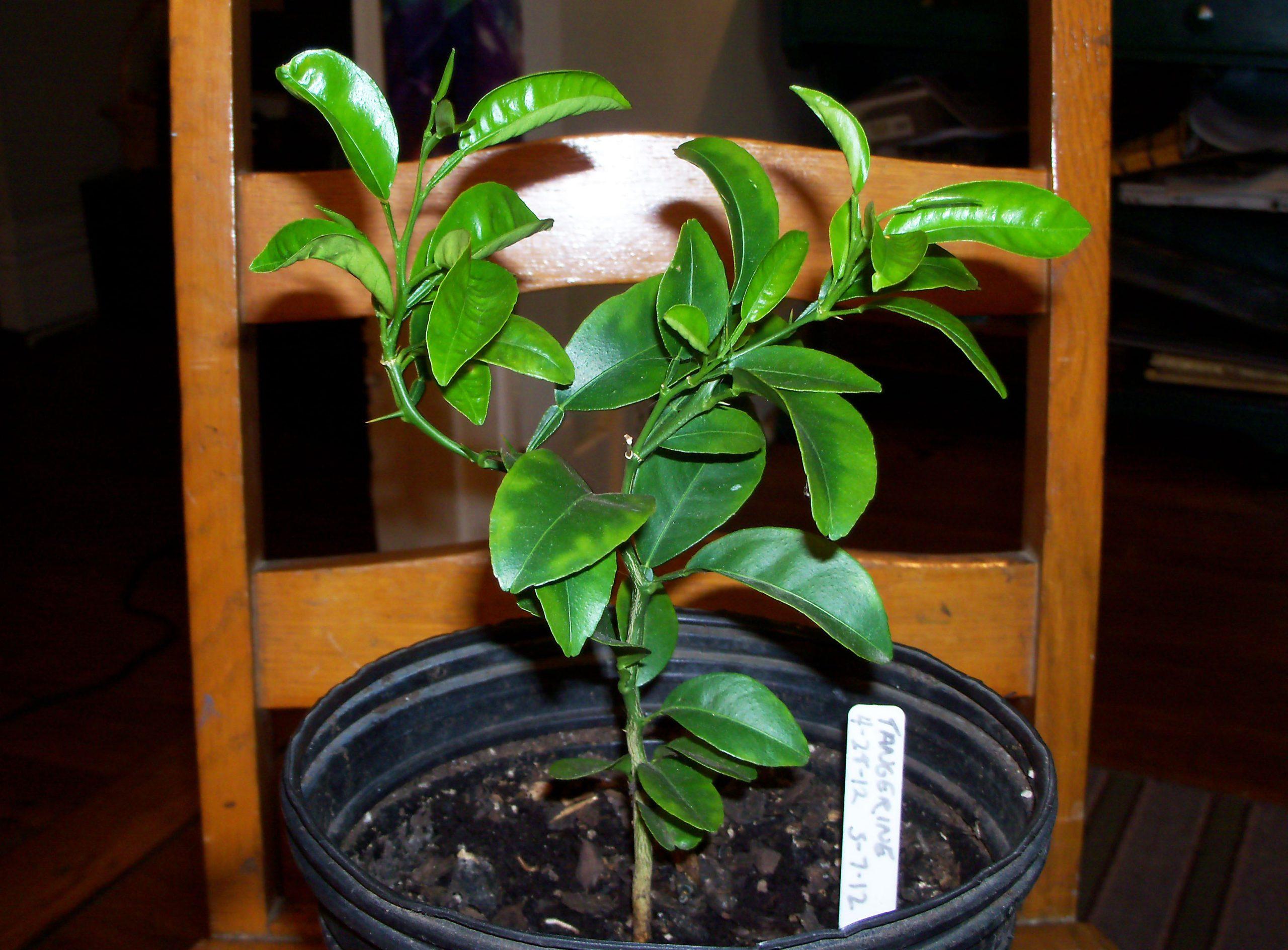
Double Budded Seedlings (Of All Citrus Species)
·
V-0ZIJY · No reviews yet
Orange seeds are quite easy to germinate, however, you are looking for a tree that will produce fruit faster, you’re better off getting a grafted tree from a nursery.
- This product is double budded and is available for all citrus species.
- Fruits in less than 2 years. Seedlings are 7-9 months of age
- Yields in subtropical climates can peak at 20 to 25 years, while yields in tropical regions reach a maximum at 10 to 15 years already because of the higher pest and disease pressure in these regions.
We supply all over Nigeria.
Product ID
4623
Brand
UNCATEGORIZED
Category
Plant Seedlings
AvailabilityIn stock
₦ 8,499.99
Share
Product description
Double Budded Seedlings
The most common method of citrus propagation is by budding via bark grafting of old trees.
- Citrus varieties grown from seed have numerous problems like late bearing, an uneven performance due to their genetic variability and susceptibility to drought, root invading fungi, nematodes and salinity.
- This product is double budded and is available for all citrus species.
Growing and Transplanting Double Budded Seedlings For Citrus Species
- Orange trees like a pH between 6 and 7.0 in citrus-specific potting soils (light, well-drained sandy soils are most ideal.
- For good production oranges require well-distributed rainfall or supplementary irrigation throughout the year. A good source of water is therefore essential in orange farming.
- Spacing varies widely, depending on elevation, rootstock, and variety. Generally, trees need a wider spacing at sea level than those transplanted at higher altitudes. Usually the plant density varies from 150 to 500 trees per ha, which means distances of 5 x 6 m or 7 x 8 m (oranges, grapefruits).
- It is very important to ensure that seedlings are not transplanted too deep.
- After planting, the seedlings ought to be at the same height or preferably, somewhat higher than in the nursery (Maintain a single stem up to a height of 80-100 cm).
- Under no circumstances must the graft union ever be in contact with the soil or with mulching material if used.
- Pinch or break the top branch at a height of 100 cm to encourage side branching.
- Allow 3-4 scaffold branches to form the framework of the tree.
Highlights
Fulfilled by Vendor
2 to 20 days delivery
100% Money-back guarantee
24/7 Customer support
Secure payment method
Shipping
Local pick-up2 – 4 days
Office pick-up3 days
Product description
Double Budded Seedlings
The most common method of citrus propagation is by budding via bark grafting of old trees.
- Citrus varieties grown from seed have numerous problems like late bearing, an uneven performance due to their genetic variability and susceptibility to drought, root invading fungi, nematodes and salinity.
- This product is double budded and is available for all citrus species.
Growing and Transplanting Double Budded Seedlings For Citrus Species
- Orange trees like a pH between 6 and 7.0 in citrus-specific potting soils (light, well-drained sandy soils are most ideal.
- For good production oranges require well-distributed rainfall or supplementary irrigation throughout the year. A good source of water is therefore essential in orange farming.
- Spacing varies widely, depending on elevation, rootstock, and variety. Generally, trees need a wider spacing at sea level than those transplanted at higher altitudes. Usually the plant density varies from 150 to 500 trees per ha, which means distances of 5 x 6 m or 7 x 8 m (oranges, grapefruits).
- It is very important to ensure that seedlings are not transplanted too deep.
- After planting, the seedlings ought to be at the same height or preferably, somewhat higher than in the nursery (Maintain a single stem up to a height of 80-100 cm).
- Under no circumstances must the graft union ever be in contact with the soil or with mulching material if used.
- Pinch or break the top branch at a height of 100 cm to encourage side branching.
- Allow 3-4 scaffold branches to form the framework of the tree.
Highlights
Fulfilled by Vendor
2 to 20 days delivery
100% Money-back guarantee
24/7 Customer support
Secure payment method
Shipping
Local pick-up2 – 4 days
Office pick-up3 days