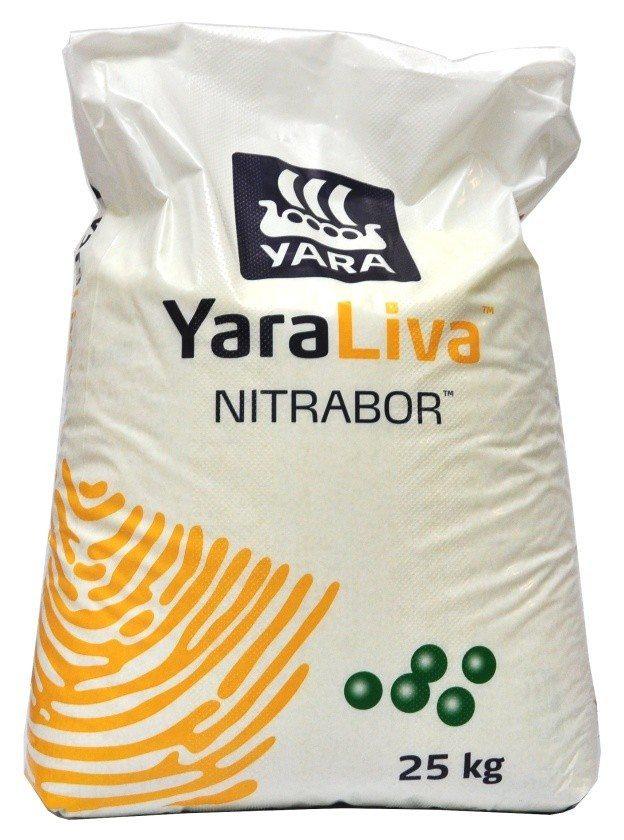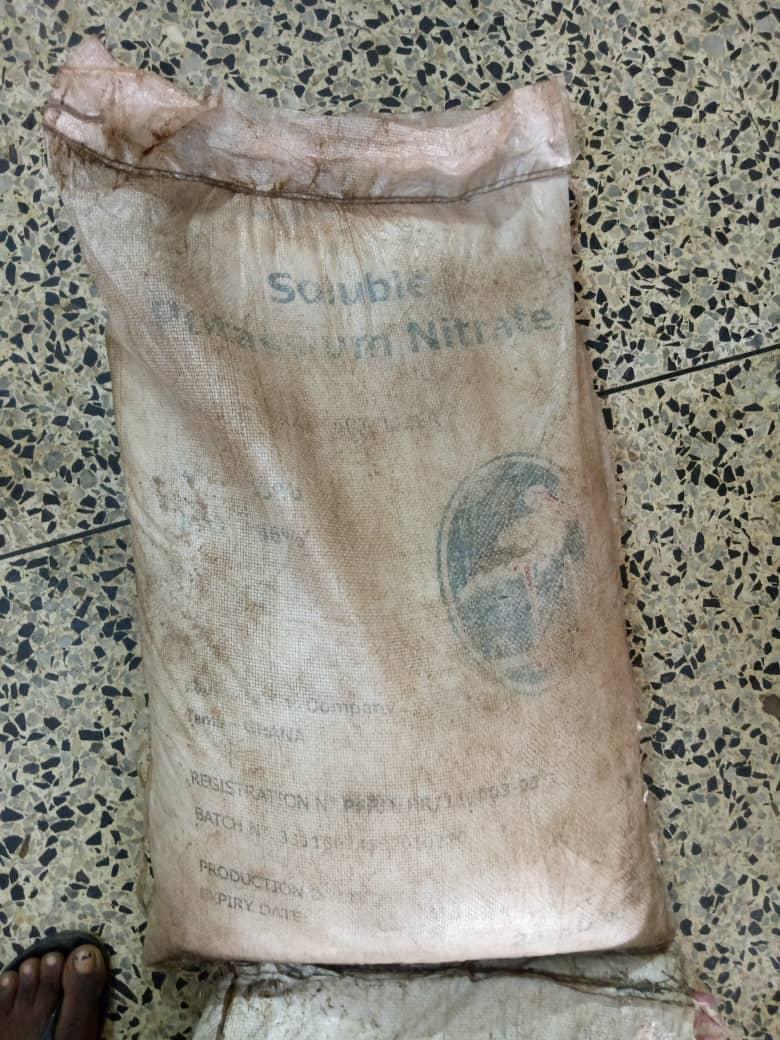
Potassium Nitrate Fertilizer (25kg | 50Kg Bags)
V-X2BZK · No reviews yet
Potassium nitrate (KNO3) is a soluble source of two major essential plant nutrients.
- It is commonly used as a fertilizer for high-value crops that benefit from nitrate (NO3-) nutrition and a source of potassium (K+) free of chloride (Cl–).
- We ship in 25kg bags and deliver nationwide.
7000
UNCATEGORIZED
UNCATEGORIZED
₦ 85,000
Product description
Potassium Nitrate Fertilizers
- Potassium Nitrate is a colourless crystal or white powder.
- It is mainly applied in agriculture (compound fertilizer and foliar spray fertilizer); drugs and catalyzer; ceramics and enamel; etc.
| Components | |
| KNO3 | 99.4% min |
| Potassium Oxide(as K2O) | 46.0% min |
| Nitrogen | 13.0% min |
| Moisture | 0.1% max |
| Sulphate(as SO4) | 0.01% max |
| Chloride(as Cl) | 0.03% max |
| Iron (as Fe) | 0.002% max |
| Magnesium(as Mg) | 0.004% max |
| Heavy Metal(as Pb) | 0.001% max |
| Clarity of Solution | qualified |
Packaging
- Packed in 25 and 50 kgs pp woven bags.
Agricultural use
Growers value fertilizing with KNO₃ especially in conditions where a highly soluble, chloride-free nutrient source is needed. In such soils, all of the N is immediately available for plant uptake as nitrate, requiring no additional microbial action and soil transformation.
-
Growers of high-value vegetable and orchard crops sometimes prefer to use a nitrate-based source of nutrition in an effort to boost yield and quality.
-
Potassium nitrate contains a relatively high proportion of K, with an N to K ratio of approximately one to three. Many crops have high K demands and can remove as much or more K than N at harvest.
-
Applications of KNO₃ to the soil are made before the growing season or as a supplement during the growing season. A diluted solution is sometimes sprayed on plant foliage to stimulate physiological processes or to overcome nutrient deficiencies.
-
Foliar application of K during fruit development advantages some crops, since this growth stage, often coincides with high K demands during the time of declining root activity and nutrient uptake.
-
It is also commonly used for greenhouse plant production and hydroponic culture.
Management practices
Both N and K are required by plants to support harvest quality, protein formation, disease resistance and water-use efficiency. Farmers often apply KNO₃ to soil or through the irrigation system during the growing season to support healthy growth.
- The relatively high solubility of KNO₃ under warm conditions allows for a more concentrated solution than for other common K fertilizers. However, farmers must carefully manage the water to keep the nitrate from moving below the root zone.
Highlights
Shipping
Local pick-up2 – 4 days
Office pick-up3 days
Product description
Potassium Nitrate Fertilizers
- Potassium Nitrate is a colourless crystal or white powder.
- It is mainly applied in agriculture (compound fertilizer and foliar spray fertilizer); drugs and catalyzer; ceramics and enamel; etc.
| Components | |
| KNO3 | 99.4% min |
| Potassium Oxide(as K2O) | 46.0% min |
| Nitrogen | 13.0% min |
| Moisture | 0.1% max |
| Sulphate(as SO4) | 0.01% max |
| Chloride(as Cl) | 0.03% max |
| Iron (as Fe) | 0.002% max |
| Magnesium(as Mg) | 0.004% max |
| Heavy Metal(as Pb) | 0.001% max |
| Clarity of Solution | qualified |
Packaging
- Packed in 25 and 50 kgs pp woven bags.
Agricultural use
Growers value fertilizing with KNO₃ especially in conditions where a highly soluble, chloride-free nutrient source is needed. In such soils, all of the N is immediately available for plant uptake as nitrate, requiring no additional microbial action and soil transformation.
-
Growers of high-value vegetable and orchard crops sometimes prefer to use a nitrate-based source of nutrition in an effort to boost yield and quality.
-
Potassium nitrate contains a relatively high proportion of K, with an N to K ratio of approximately one to three. Many crops have high K demands and can remove as much or more K than N at harvest.
-
Applications of KNO₃ to the soil are made before the growing season or as a supplement during the growing season. A diluted solution is sometimes sprayed on plant foliage to stimulate physiological processes or to overcome nutrient deficiencies.
-
Foliar application of K during fruit development advantages some crops, since this growth stage, often coincides with high K demands during the time of declining root activity and nutrient uptake.
-
It is also commonly used for greenhouse plant production and hydroponic culture.
Management practices
Both N and K are required by plants to support harvest quality, protein formation, disease resistance and water-use efficiency. Farmers often apply KNO₃ to soil or through the irrigation system during the growing season to support healthy growth.
- The relatively high solubility of KNO₃ under warm conditions allows for a more concentrated solution than for other common K fertilizers. However, farmers must carefully manage the water to keep the nitrate from moving below the root zone.
Highlights
Shipping
Local pick-up2 – 4 days
Office pick-up3 days